



(The Center Square) – Candidates running to be Georgia’s attorney general debated the use of license plate reading cameras, crime policies and personal records on Monday.
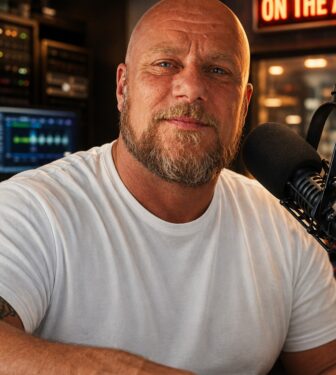
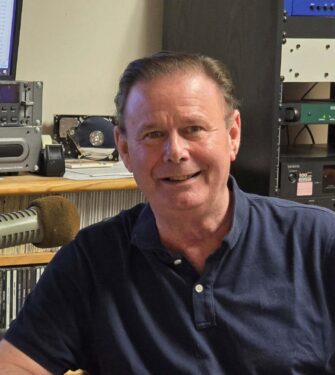
The Atlanta Press Club hosted a debate between Georgia Rep. Tanya Miller and Sen. Brian Strickland. The two candidates offered different policies on license plate-reading cameras for solving crimes.
Miller said she would work to enforce the Open Records Act for video captured by license plate reader technology. She said journalists and Georgia citizens should be allowed to access recordings captured by the cameras.
“When these records exist, they are public records,” Miller said. “There are exceptions, they are limited, they are limited for a reason because this belongs to the public.”
Strickland said he would work to establish the Open Records Task Force, a department within the Attorney General’s office that responds to local government and agency requests. He acknowledged that private companies operating license plate reader technology could impose a privacy risk for Georgia citizens, implicating Fourth Amendment protections against unreasonable searches and seizures.
“[The] legislature should pass a law that puts parameters on how these cameras are used to make sure the public does have access to all the data that’s in them and make sure they’re not abused,” Strickland said. “As attorney general, I’ll use my authority to go after the private company to make sure that is put into their policies and put into play in Georgia.”
However, Miller said the collection of data by license plate reading companies does not implicate the Fourth Amendment.
“The reason why he doesn’t know is because he’s never stood in a courtroom and defended a search warrant,” Miller said. “Here is the issue: things that the public can see, cameras can record. Things the public cannot see, cameras cannot record without a search warrant.”
Miller called for protections against abuse from law enforcement and private companies with access to license plate reader technology.
The candidates also slammed one another over their records on prosecuting criminals. Strickland touted his record in the General Assembly, passing bills to crack down on crime and his endorsements from police officer organizations.
In 2023, Strickland helped pass an addition to the Street Gang Terrorism and Prevention Act, legislation that mandated a minimum 5-year prison sentence for adults convicted of street gang crimes. The bill also imposed a minimum 10-year prison sentence for anyone convicted of recruiting minors into a criminal gang and prevented judges from suspending prison time.
“We cannot take the soft on crime policies of Keisha Lance Bottoms, soft on crime policies we’ve seen in California, New York, implement those here in Georgia,” Strickland said.
Miller touted her experience as a former prosecutor and said Strickland lacked the qualifications to be attorney general. She said her previous experience is filled with examples of prosecuting murderers and criminals.
“At the end of the day, you could have been a prosecutor if you cared about doing the work when it’s low pay and when there’re no cameras, but you want the top job with no experience,” Miller said. “That’s the difference between me and you.”
The candidates also traded personal attacks. Strickland criticized Miller for holding a walkout before voting against a bill to allow transgender surgeries for prison inmates in 2024. At the time, Miller criticized the legislation as a target against transgender people.
“What is going on with my colleagues that they have become obsessed with what is happening in transgender citizens’ pants and their underwear and their bedroom and their medical robes, when they talk to their doctors, when they deal with their families?” Miller asked.
She shot back with criticism of reports that Strickland previously held a $1.2 billion stake in a 250-acre data center project on his family’s farm in Henry County. The Atlanta Regional Commission said the data center project was not aligned with its environmental policies.
Strickland dropped his stake in the project. He said his family had concerns with the project early in the development process.
“We said no data center for us because my closest neighbor at the data center was actually my parents,” Strickland said. “They had their own concerns and they said no to this.”
Early voting in Georgia begins on Tuesday. Polls are open from 7 a.m. to 7 p.m. on Election Day. For more information, visit the Georgia Secretary of State’s office at georgia.gov. For results on Election Day, visit thecentersquare.com/georgia.